
Woman Speaking at Group Meeting

Our commitment to community health

Together with community partners, we’re building a holistic and equitable healthcare system designed to improve everyone’s health and wellness.

Clinical care can diagnose, treat, and often cure diseases, but we recognize health is more than that. Social and economic factors like systemic racism, trauma, access to healthy food, housing, and jobs impact more than 50% of people’s well-being.

Our community health programs are focused on making systemic changes and improving a wide range of issues that have deep and long-lasting impacts on how we live, work, and play.
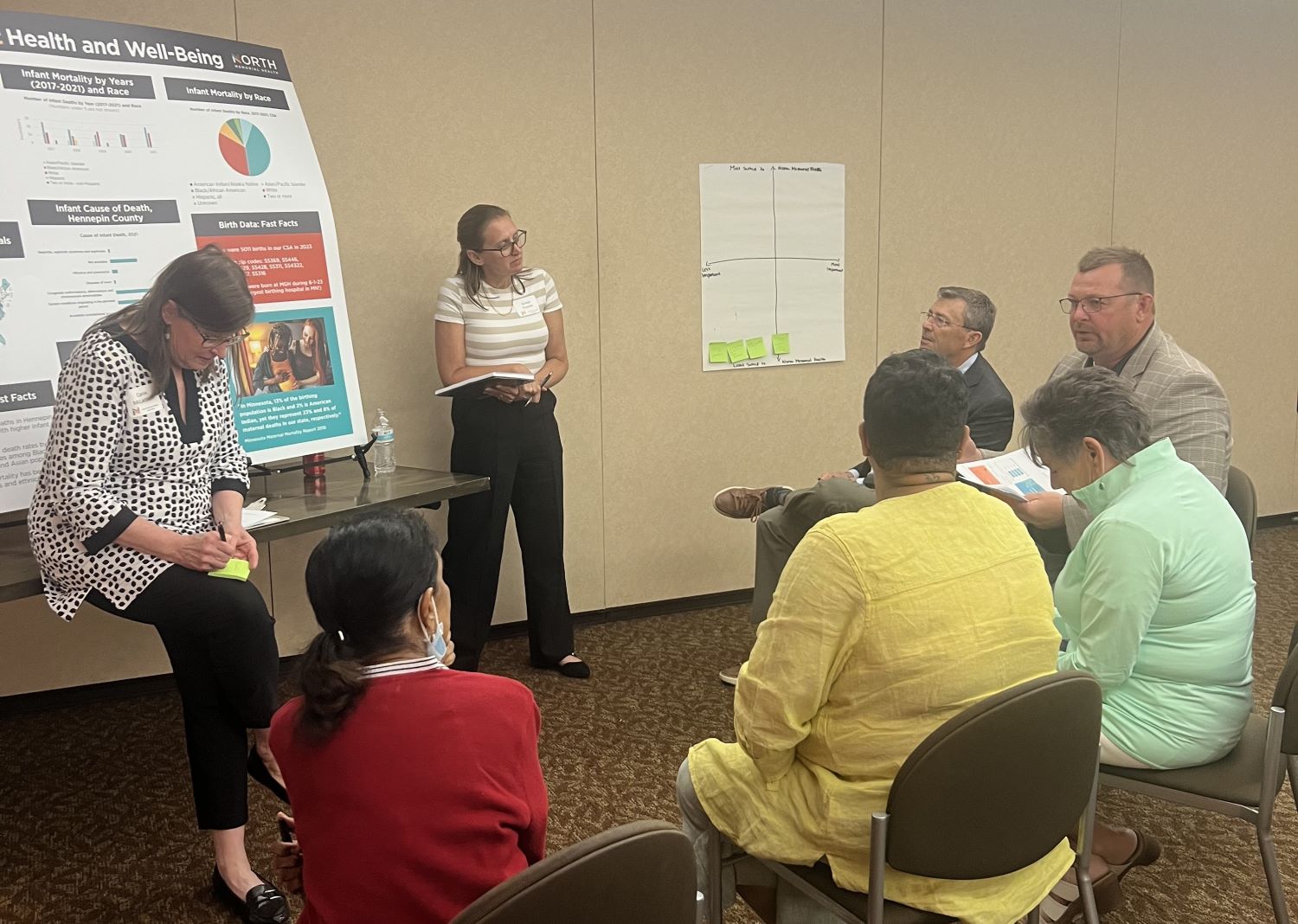
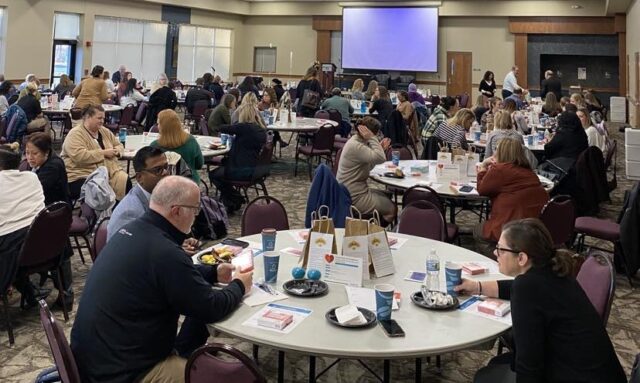
Community Health Data Walk
  • Achieve health equity and reduce racial disparities
  • Build relationships to enhance the experience of healthcare
  • Support individual health and well-being
  • Provide access to resources and education
  • Measure and improve community health

A community health needs assessment (CHNA) identifies both assets and resources that support healthy communities, as well as health challenges and disparities.

The assessments gather data and community input on a wide range of health issues including:

  • the health of community members (demographic characteristics, births, deaths, chronic conditions, communicable diseases, mental health),
  • health behaviors (substance use, physical activity, nutrition),
  • accessible and affordable health care, including preventive health such as health care screenings, immunizations, and dental care, and
  • healthy and safe environments, and social and economic factors that influence health (education and employment, affordable housing, social support).

Data comes from both primary and secondary data sources. Secondary sources include local health surveys that gather information on the health of youths and adults in the community such as the Minnesota Student Survey and Hennepin County’s SHAPE survey. Primary data collection occurs by intentionally engaging with community members and organizations to identify and understand significant health needs in the community and seek input on addressing gaps and barriers so community members can lead healthy lives.

Working closely with the hospitals’ Community Engagement Advisory Team (CEAT), data from all these sources is reviewed and priority health issues are selected for action. Partnering with the CEAT, community partners, and community members, a community health implementation plan is developed that outlines strategies for addressing the priority health issues.

Both North – Robbinsdale Hospital and North – Maple Grove Hospital routinely conduct Community Health Needs Assessments, working closely with partners in our community to help us identify our community health priorities.

The top three priorities we identified for 2026-2028 are:

  • Establish Care with a Primary Care Provider and/or Health Clinic
  • Understand and Navigate the Healthcare System
  • Prevent, Detect, and Manage Chronic Diseases

We are committed to focusing on and improving our community’s health in these areas.
North Memorial Health 2025 Community Health Needs Assessment. 2026-2028 Community Health Implementation Plan

The area selected for our Community Health Needs Assessment data analysis includes 75% of all patients admitted to North – Robbinsdale Hospital and North – Maple Grove Hospital in the year 2023.

It includes 31 ZIP codes, 34 cities and/or townships, and 7 school districts.
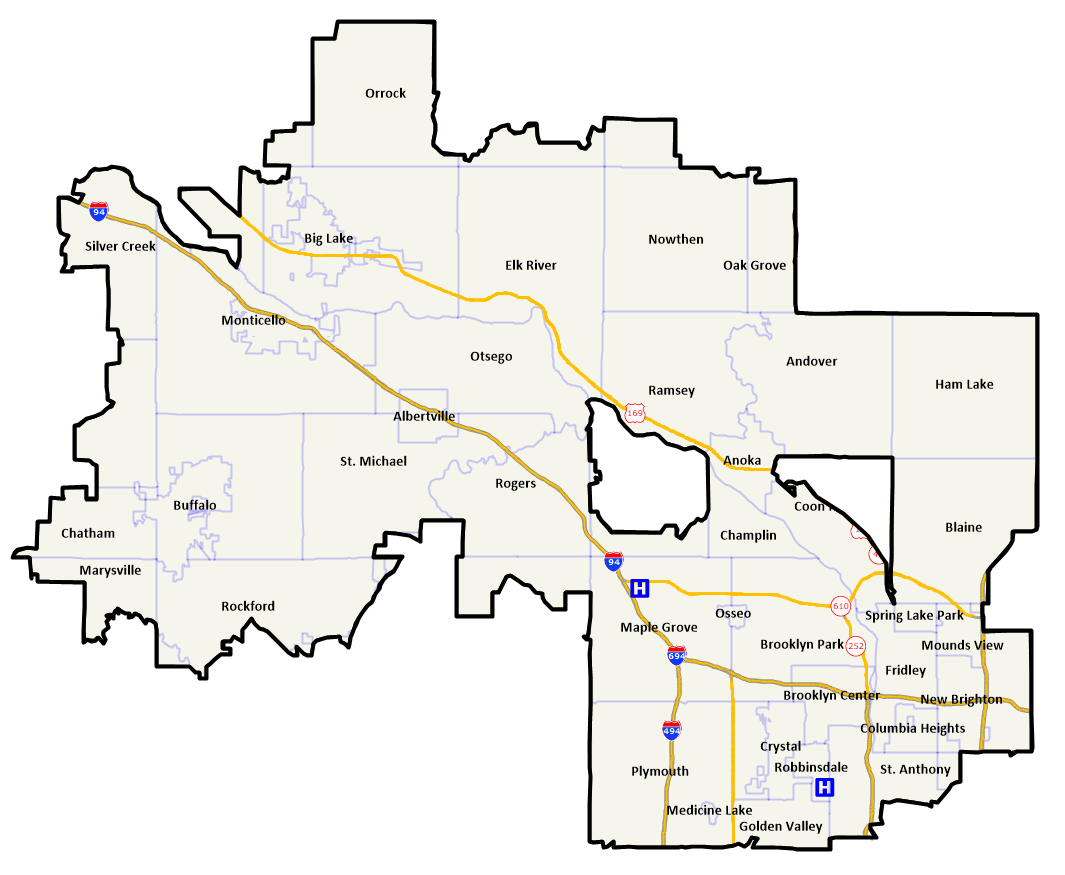
Community Health Service Area Map
Click map for expanded view

Over the past three years, North Memorial Health has actively implemented strategies outlined in the 2023–2025 Community Health Needs Assessment, focusing on two key priorities: racial disparities in health and life-impacting traumas.

North Memorial Health remains committed to advancing health equity and trauma-informed care through community collaboration, culturally responsive practices, and continuous learning. We are proud of the progress made and grateful to our partners and community members who make this work possible.
Our initiative to improve breast cancer screening, care, and treatment for Black women was driven by alarming disparities. Although Black women have lower breast cancer incidence rates, they experience significantly higher mortality—24% higher than white non-Hispanic/Latina women in Minnesota.

Initial outreach targeted 360 Black women overdue for mammograms within an 8-mile radius of the Robbinsdale Breast Center. In 2023, we hosted two staff trainings led by Race Forward, equipping participants with Racial Equity Tools for decision-making and policy development. A dedicated workgroup of Black women employees used these tools to recommend culturally responsive improvements, resulting in updated website content, brochures, and educational materials.

Community engagement was central. In 2023, 23 Black women toured the Breast Center and provided feedback on space design, communication strategies, and cultural representation. In 2024, we partnered with the Cultural Wellness Center to host four community conversations with approximately 100 Black women. These sessions explored disparities, empathetic design, care narratives, and cultural attitudes toward breast health, generating actionable recommendations.

Our outreach efforts reached over 1,200 individuals annually through events such as Live Your Healthy Lyfe, Twin Cities Pride, and city-based resource fairs. Materials included breast self-exam shower cards and educational exhibits featuring Black women and breast health visuals.

In early 2024, we hired a Community Health Worker (CHW) who shares the racial and cultural background of our target population. She has contacted over 400 Black women, resulting in 213 completed mammograms and several cancer diagnoses. The CHW also collaborates with care management to address barriers such as insurance access and transportation. Notably, 20% of patients reported transportation challenges, prompting efforts to identify additional support resources.

We also translated our “Mammogram – What to Expect” brochure into Somali to better serve our diverse patient population. In recognition of these efforts, the Minnesota Hospital Association honored North Memorial Health in 2024 for our Black Women’s Breast Health Initiative.

In alignment with our second health priority, North Memorial Health launched a Trauma-Informed Care (TIC) Workgroup in 2023. This multidisciplinary team, including Emerging Leaders Program participants, developed a strategic roadmap to guide our organization through the trauma-informed care continuum.

Key components included:

  • Staff and community training on trauma’s impact on health and behavior
  • Emphasis on employee wellness
  • Creation of safe physical, social, and emotional environments

Our annual Trauma Symposiums were pivotal. The 2023 event, Cultivating Trauma-Informed Care through Growth, Healing, and Knowledge, attracted 122 attendees. The 2024 symposium, From Pain to Progress: Bringing Trauma-Informed Care to the Heart of Healing, welcomed 132 participants. Both events featured expert speakers, personal healing narratives, and actionable training. Evaluations showed high satisfaction and strong intent to apply learnings in professional and community settings.

These symposiums were made possible by North Memorial Foundation’s small grant program, which eliminated financial barriers and offered free Continuing Medical Education (CME) credits.

Emerging Leader cohorts contributed significantly:

  • One cohort developed a roadmap and recommendations for future trauma-informed efforts
  • Another created a self-assessment tool to evaluate organizational readiness
  • A third cohort supported planning and execution of the 2024 symposium
Community Health 2025 Event